
 +86 15718224602


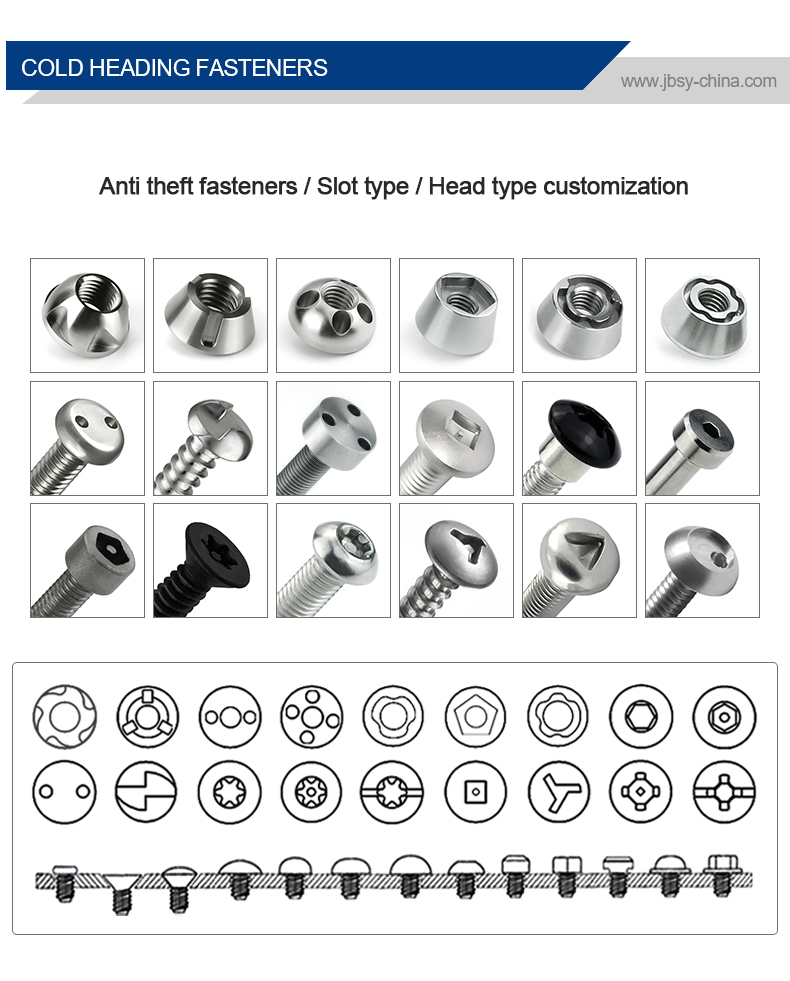
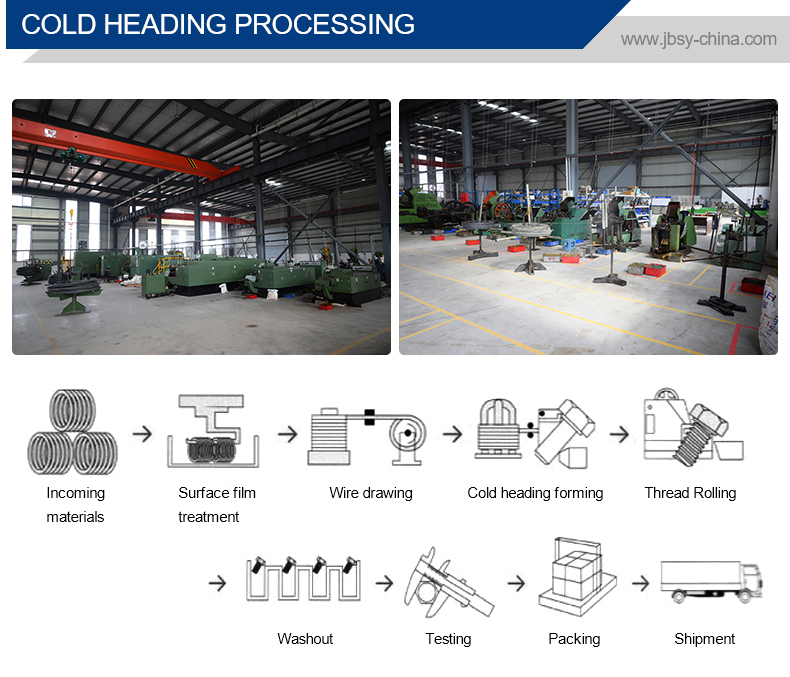
Cold heading process is one of the new processes for pressure machining of less or no cutting
metal. It is a processing method that utilizes the plastic deformation of metal under the action of
external forces, and with the aid of molds, redistributes and transfers the volume of metal to form
the required parts or blanks. The cold heading process is most suitable for producing standard
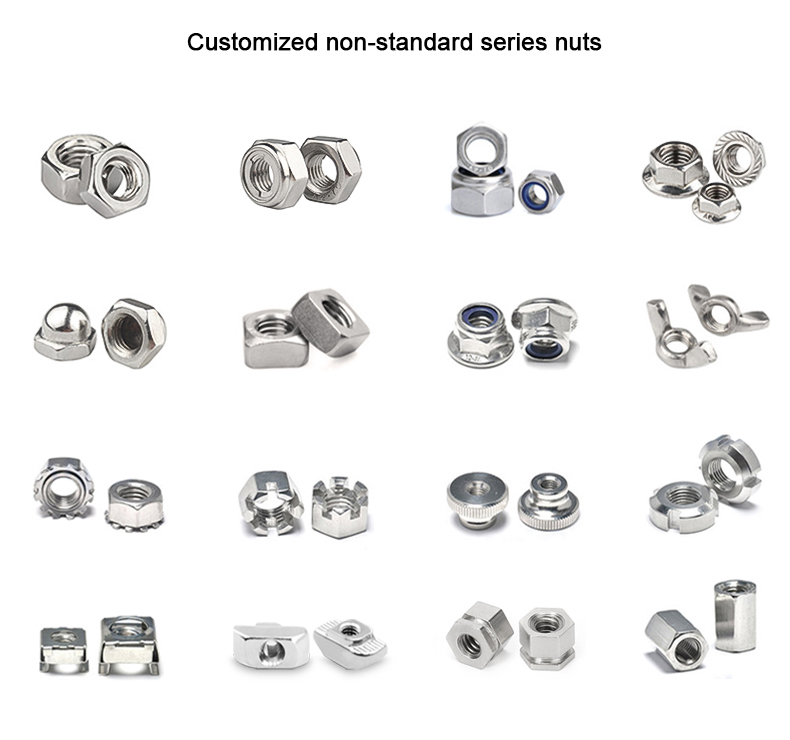
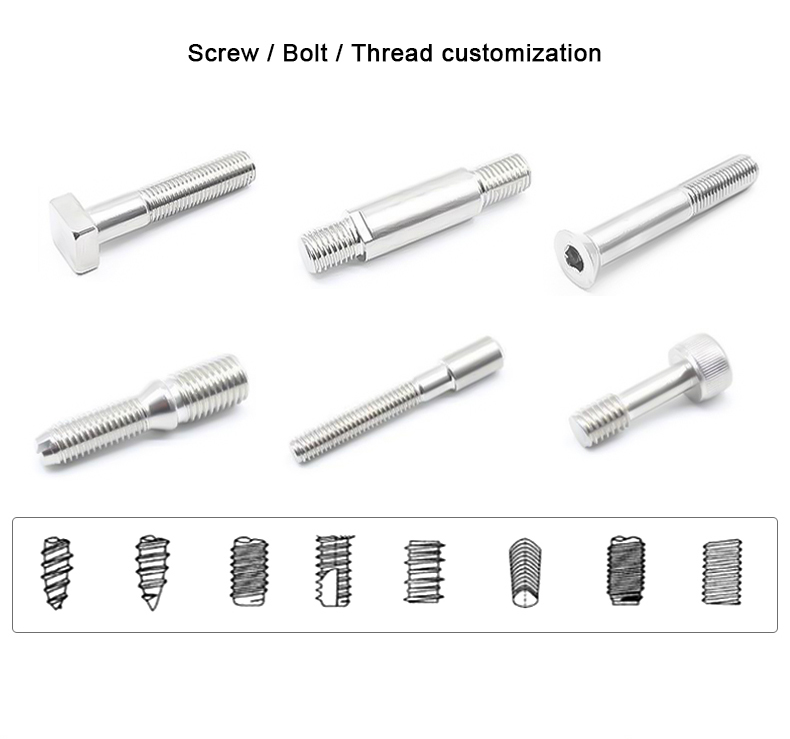
fasteners such as bolts, screws, nuts, rivets, and pins.etc

Brass shear bolts are specialized fasteners designed to break or “shear” at a predetermined torque or under specific stress conditions. They are commonly used in applications where over-tightening could damage components or where tamper resistance is needed. Here’s a detailed description:
Features of Brass Shear Bolts:
-
Material:
-
Made from brass (often leaded for machinability), offering corrosion resistance, electrical conductivity, and non-sparking properties.
-
Brass is softer than steel, making it ideal for shear applications.
-
-
Design:
-
Shear Groove: A pre-weakened section (neck) near the head that snaps when torque exceeds a set limit.
-
Hex or Torx Head: Allows tightening until the bolt shears, leaving a smooth, tamper-resistant break surface.
-
Thread Type: Typically machine threads (e.g., metric or UNC/UNF) for secure fastening before shearing.
-
-
Function:
-
Torque-Limiting: Prevents overloading by breaking at a calibrated torque.
-
Tamper-Proof: Once the head shears off, the bolt cannot be easily removed without specialized tools.
-
-
Applications:
-
Electrical Equipment: Grounding connections, busbars (to prevent over-compression).
-
Security Fixtures: Tamper-resistant panels, access covers.
-
Aerospace & Automotive: Critical assemblies requiring precise torque.
-
Plumbing/Gas Systems: Soft metal prevents sparking in flammable environments.
-
-
Advantages:
-
Prevents damage from excessive force.
-
Deters unauthorized access.
-
Corrosion-resistant in moist/outdoor environments.
-
-
Disadvantages:
-
Non-reusable after shearing.
-
Lower shear strength compared to steel bolts.
-
Common Specifications:
-
Standards: DIN, ASTM, or industry-specific (e.g., MIL-SPEC).
-
Grades: Varies by alloy (e.g., C360 brass for machinability).
-
Shear Torque: Customizable based on groove design and material thickness.
Installation Notes:
-
Use a torque wrench to ensure proper shearing.
-
Post-shear, the remaining shank may require a screw extractor for removal.
 English
  German
  Japanese
  Spanish
  Portuguese
  Arabic
  Chinese